The UK Gambling Retail Forecast for 2026: Where the Industry is Heading
As we look towards 2026, the UK’s high streets and retail betting landscape stand at a critical juncture, shaped by regulation, technology, and shifting consumer habits. This forecast, grounded in UK economic research, analyses the converging trends that will redefine the bookmaker high street and the broader economic impact of UK casinos, offering a clear-eyed retail forecast for Britain.
The High Street Betting Shop: A Changing Landscape
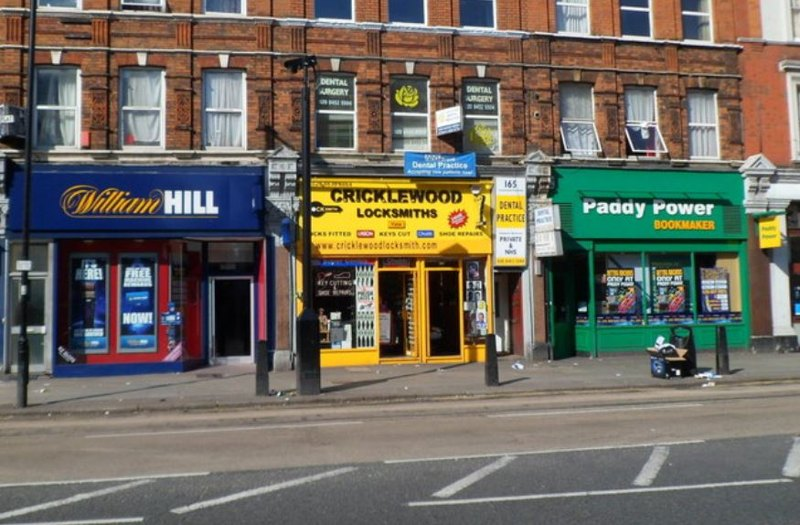
The traditional betting shop is undergoing a profound transformation. The landscape is characterised by the continued consolidation of major bookmakers like William Hill and Ladbrokes under single corporate umbrellas, a strategic trend towards ‘destination’ shops with enhanced digital facilities, and the steady closure of smaller, less profitable outlets in struggling town centres.
The Shift to Digital-First Retail
Leading operators are reimagining the physical space to complement, not compete with, digital offerings. Initiatives like William Hill’s ‘Digital Lounges’ trial in Manchester epitomise this shift, creating hybrid environments where customers can engage with online platforms in a social, assisted setting. These hubs feature large digital screens, premium seating, and dedicated terminals for complex bets, catering to customers who value both digital convenience and human interaction.
The Role of Betting Shops in Local Economies
Despite net closures, betting shops remain significant employers, particularly in less affluent areas. However, their economic contribution is uneven. The 2024 closure rate of independent bookmakers in Yorkshire, for example, highlights the acute pressure on smaller operators who lack the scale to invest in digital transformation. Each closure can reduce vital footfall for neighbouring businesses, subtly eroding the vitality of already fragile high streets.
The Economic Footprint of UK Casinos in 2026
Examining the projected economic impact of casinos reveals a tale of two models: regional hubs in cities like Glasgow and Birmingham, and the renewed debate around major metropolitan investments. The focus for 2026 will be on tangible contributions to job creation, tourism, and local business spend.
Regional Hubs vs. Metropolitan Centres
Regional casinos often serve as key entertainment anchors, generating steady local employment. The Grosvenor Casino chain, for instance, is a notable contributor to local employment in cities like Bristol, supporting hundreds of jobs directly in hospitality, security, and management, plus indirect roles in supply chains. Conversely, the planned £300 million redevelopment of the Hippodrome Casino in London underscores ambitions to capture premium international tourism and high-end leisure spend, acting as a catalyst for wider district regeneration.
Tax Revenue and Regulatory Contributions
Beyond employment, casinos are substantial fiscal contributors. They generate significant sums through direct taxation, business rates, and the statutory levy funding research, education, and treatment. This revenue stream is a key part of the UK casino economic impact, supporting public services while funding responsible gambling initiatives.
Regulatory Headwinds and Their Retail Impact
The regulatory environment is tightening, with the 2025 implementation of stake limits for online slots and potential affordability checks. Paradoxically, these measures could drive footfall back to regulated retail environments for higher-stake play, where in-person verification processes are often perceived as less intrusive than digital monitoring.
Affordability Checks and Retail Verification
Stringent online affordability checks may make retail venues more appealing for customers seeking fewer immediate restrictions on their play. In-shop verification, conducted face-to-face with trained staff, can be more discreet and build trust, potentially giving bricks-and-mortar outlets a competitive edge for verified customers wishing to place larger bets.
The White Paper’s Unintended Consequences?
The Gambling Act review White Paper could lead to unintended consequences for retail. While primarily targeting online protections, the potential impact of the Gambling Act review White Paper on retail stake limits remains a live discussion. Operators argue that further restrictions on retail stakes could undermine the viability of shops already operating within a strictly regulated, supervised environment, potentially diverting play to less secure channels.
Technology’s Role: Blending Digital with Physical
Technology is not replacing the retail experience but fundamentally enhancing it. The integration of cashless payment systems, advanced betting terminals, and data analytics is creating a seamless omnichannel journey for customers.
Cashless Wagering and Speed of Service
Cashless systems, such as those integrated into apps like Betfred’s, expedite transactions and improve operational hygiene. They allow customers to pre-fund accounts and wager via QR codes or NFC, significantly reducing queue times. This speed of service is crucial in retaining time-poor customers while providing robust spending trackers that support safer gambling protocols.
Data-Driven Shop Layouts and Promotions
Operators are increasingly leveraging data analytics to optimise the physical customer journey. By analysing footfall patterns, peak times, and popular bet types, managers can tailor shop layouts and localised promotions in real-time.
The key technological integrations shaping the modern betting shop include:
- Cashless payment platforms linked directly to customer mobile apps for seamless transactions.
- Advanced in-shop betting terminals with personalised odds and AI-driven bet suggestions.
- Digital signage and screen walls that display dynamic content based on live events and local team affiliations.
- Customer relationship management (CRM) systems that trigger location-based offers as customers enter shops.
Consumer Trends Shaping the 2026 Forecast
Understanding evolving consumer behaviour is essential for an accurate retail forecast Britain. The emerging demand for social, experiential gambling venues contrasts sharply with the ageing demographic of core retail customers and the persistent challenge of attracting younger audiences weaned on mobile betting.
The Demand for ‘Experience’ Over Transaction
A growing segment of consumers, including younger legal-age patrons, seek entertainment value beyond a simple transactional bet. Venues that offer sports viewing areas with stadium-like atmosphere, quality catering, and comfortable social spaces are positioning themselves as leisure destinations. This trend is pushing operators to invest heavily in ambiance, customer service, and ancillary offerings to drive dwell time and frequency.
Demographic Challenges and Opportunities
The core betting shop customer base is ageing, presenting a long-term sustainability challenge. To attract younger patrons, operators must innovate around experiences and technology. However, there is a stable opportunity in catering to older customers who value the social interaction, familiarity, and assisted service of physical shops. Success in 2026 will hinge on balancing these divergent demographic needs under one roof.
Regional Forecasts: Where Growth and Decline Will Hit
Regional economic disparities will define the retail gambling landscape in 2026. The resilience of betting shops in dense urban areas like London’s outer boroughs will contrast sharply with the vulnerability of outlets in economically depressed high streets in the North East and coastal towns.
Urban Resilience vs. Provincial Pressure
Urban areas with higher population densities, greater footfall, and more disposable income are likely to see more stable or even growing betting shop numbers, particularly in formats that blend retail with leisure. Conversely, provincial towns facing prolonged economic decline and reduced high street vitality may experience accelerated closures. Coastal towns with seasonal tourism fluxes will struggle to maintain year-round viability for standalone betting retail.
The Scottish and Welsh Market Dynamics
Devolved administrations add another layer of complexity. Scotland, with its larger urban centres like Glasgow and Edinburgh, may see sustained casino growth and more resilient retail betting in central locations. Wales, where local authorities often take a stricter view on gambling premises licenses, could experience continued pressure on shop numbers, concentrating the market further into larger, multi-purpose venues.
Ultimately, we argue that the UK gambling retail sector in 2026 will be leaner, more technologically integrated, and strategically focused on experience, remaining a significant, if transformed, part of the consumer and economic landscape. Its adaptation to regulatory, technological, and consumer shifts will ensure its enduring, if more nuanced, relevance on the British high street and within the broader leisure economy.