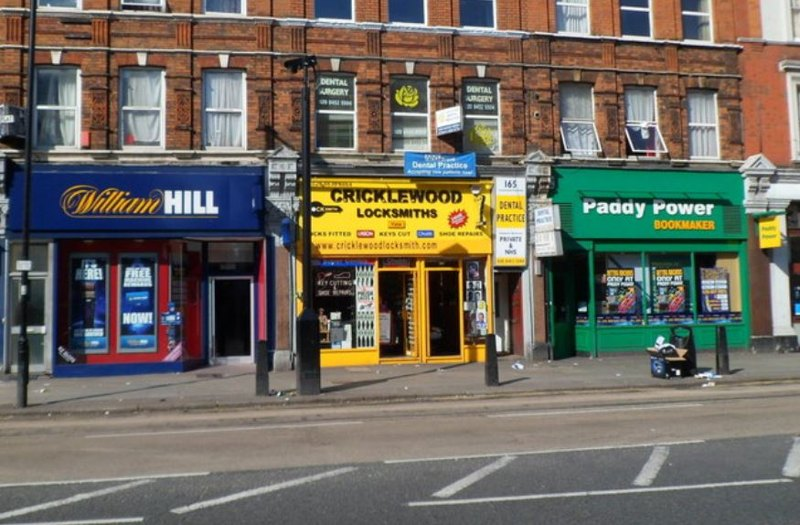
Bookmaker High Street Trends: Closures, Consolidation and the Future
The UK’s high streets are witnessing a dramatic reshaping of their betting landscape, as familiar bookmaker shopfronts vanish at an unprecedented rate. This rapid contraction is more than a simple story of decline; it is a complex narrative of regulatory shock, corporate strategy, and a fundamental pivot in how the gambling retail sector envisions its future. The journey from a high street staple to a more curated, experiential presence offers critical insights into broader retail forecast Britain trends, where survival hinges on adaptation and a clear value proposition. This analysis delves into the forces behind the closures, the new strategies emerging, and what the future holds for the UK gambling retail forecast.
The Scale of High Street Bookmaker Closures
The sheer volume of betting shop closures in recent years has been staggering, marking a significant shift in the UK’s retail and economic geography. According to official statistics, The Gambling Commission reported a net loss of over 4,000 Licensed Betting Offices since 2019. This represents a drastic reduction in a sector that once seemed omnipresent on town and city corners. The decline has not been evenly spread, creating distinct regional patterns and transforming the character of retail zones across the country.
The FOBT Stake Cut as a Turning Point
While digital migration and economic pressures played a role, one regulatory change stands as the definitive catalyst for this wave of closures: The £2 maximum stake on Fixed Odds Betting Terminals (FOBTs) was implemented in April 2019. Overnight, the revenue generated by these controversial high-speed machines, previously allowing stakes of up to £100, was slashed. For many shops, particularly those in less affluent areas, FOBTs were the primary source of profitability, subsidising the entire operation. Their effective removal rendered countless locations economically unviable, forcing operators into a wholesale reassessment of their physical estates.
Regional Hotspots for Closures
The impact of these closures is acutely felt in specific urban centres. Cities with a historically high density of betting shops have seen the most dramatic thinning. For instance, areas in Glasgow, Manchester, and parts of London have been notably affected, with multiple closures on a single street becoming a common sight. This clustering effect means the visual and economic impact on these high streets is profound, often leaving prominent empty units that pose a challenge for local planners and retail forecast Britain analysts seeking to revitalise town centres.
Drivers of Consolidation and Strategic Withdrawal
The industry’s response to the FOBT shockwave has been characterised by two key strategies: consolidation and strategic withdrawal. Operators are not simply shutting shops en masse in a panic; they are executing calculated plans to create leaner, more sustainable physical networks. This rationalisation is a direct response to a harsh new economic reality and a strategic reorientation towards digital growth.
Brand Mergers and Portfolio Rationalisation
A major trend has been the merging of high street brands under single corporate umbrellas, leading to the closure of duplicate shops in close proximity. The most prominent example is the formation of Entain, which now operates the consolidated Ladbrokes and Coral estates across the UK. Following their merger, hundreds of overlapping shops were identified and closed, streamlining operations and reducing costly competition between their own brands. Similarly, other operators have engaged in strategic portfolio reviews.
The Cost Pressures: Rent, Wages and Regulatory Burden
Beyond the FOBT impact, surviving betting shops face a perfect storm of rising operational costs that further squeeze margins. These include:
- Commercial Rents: Despite high street struggles, rent remains a significant fixed cost for prime-location units.
- National Living Wage: Increases in wage bills directly impact a service-oriented business with staffed counters.
- Enhanced Regulatory Compliance: Stricter age verification protocols, safer gambling responsibilities, and local authority licensing conditions add both time and financial burdens to shop operations.
This triad of pressures has made it essential for operators like Betfred, which has strategically closed hundreds of shops while investing in key locations, to retreat from marginal sites and concentrate resources on shops with genuine profit potential.
The Evolving Role of the Surviving Betting Shop
In this new era, the remaining Licensed Betting Offices are no longer just transactional outlets for placing a bet. Their role is evolving into that of a destination, aiming to offer an experience that cannot be replicated by a smartphone app. This pivot is crucial for driving footfall and justifying their physical presence on the high street.
From Transaction to Destination: Enhancing the Customer Experience
Operators are actively working to make shops more engaging. Paddy Power, for example, has long emphasised creating a social hub around major sports events, with large screens and a focus on in-play betting. The goal is to capture the atmosphere and communal excitement of watching live sport, something the digital experience often lacks. Similarly, many shops are improving comfort and hospitality offerings to encourage longer dwell times.
Leveraging Technology In-Store
Paradoxically, technology is being deployed in-store to enhance the retail experience, not replace it. Betfred’s investment in ‘Racing Post’ digital walls, which display real-time odds, news, and race broadcasts, creates a dynamic, information-rich environment. Self-service betting terminals (SSBTs) allow for faster transactions on complex bets, freeing staff to provide customer service. This hybrid model uses tech to augment the in-person experience, blending the convenience of digital with the engagement of physical retail.
The Future: A Smaller, More Experiential High Street Presence
Looking ahead, the UK gambling retail forecast points towards a future with a significantly reduced, but more resilient, high street footprint. The era of saturation is over, replaced by a focus on quality over quantity. The surviving model will likely be more integrated into the leisure and hospitality sector, drawing inspiration from broader entertainment trends.
The ‘Super Shop’ Concept and Prime Location Focus
The future likely belongs to the ‘super shop’ – larger-format venues in prime, high-footfall locations. These outlets will offer a comprehensive experience: multiple large screens broadcasting different sports, premium seating, enhanced food and drink options, and dedicated zones for different types of betting. Operators will concentrate their investment on these flagship sites in city centres or major retail hubs, abandoning secondary and tertiary locations. This mirrors a wider retail trend where flagship stores act as brand beacons.
Synergies with the Emerging UK Casino Landscape
The evolution of the betting shop may find surprising synergies with developments in the UK casino sector. Plans for new large-scale casino resorts, like the one proposed for the Thames Estuary, could influence high street betting models. These destination casinos focus on a full leisure package: gaming, dining, entertainment, and hospitality. While on a different scale, high street bookmakers are moving in a similar experiential direction. Concepts like enhanced sports lounges within betting shops are a step towards this blended model, highlighting the potential for cross-pollination between different strands of the UK gambling retail forecast and the broader economic impact of UK casinos on regional leisure economies.
The bookmaker high street is not dying but fundamentally recalibrating towards a sustainable, experience-led model integrated within the broader retail leisure economy. Driven by regulatory change and digital competition, the sector has undergone a painful but necessary consolidation. The shops that remain and thrive will be those that successfully transition from simple betting counters to engaging social venues, leveraging technology and prime locations to offer something beyond the digital baseline. This transformation offers a compelling case study in UK economic research, demonstrating how a retail sector can adapt, specialise, and seek a new equilibrium in the rapidly evolving landscape of the British high street.